
- UN calls on AI companies to declare environmental cost of AI
- New energy projects and data centers are contributing to pollution
- UN sets up AI Environmental Transparency Initiative to provide insight into the impacts of water usage, carbon emissions, and land usage
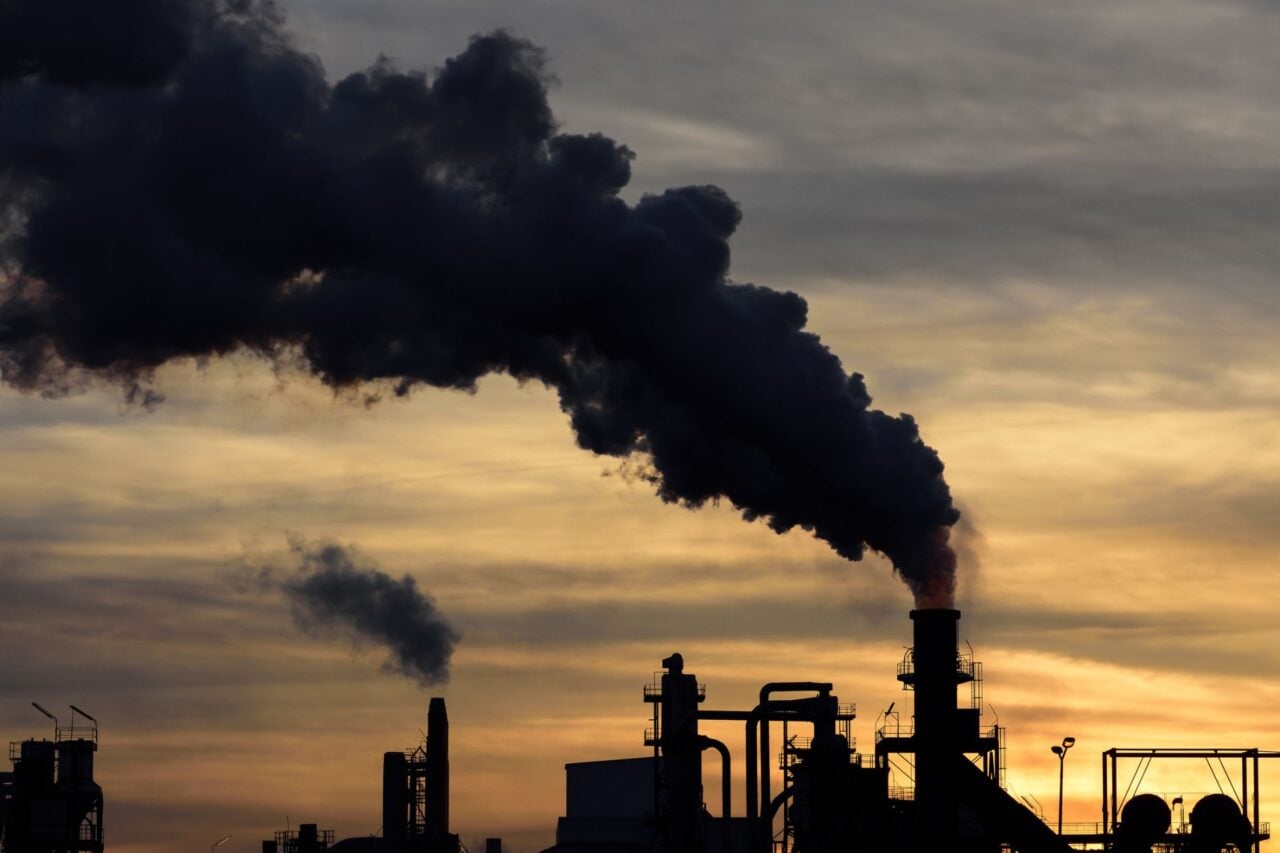
Multiple studies on the direct and indirect impact of AI have predicted that the technology is damaging local and global environments, and contributing to man-made climate change.
But the full extent of the damage should be publicly disclosed by AI companies themselves, the United Nations has said.
Speaking during London Climate Action Week, UN Secretary-General António Guterres said, “If AI is to help build a better future, it must be honest about what it costs us now.”
Reveal the full environmental cost of AI
“By 2030, they could use more power than all but five countries – and enough water to meet the basic needs of all 1.3 billion residents of sub‑Saharan Africa for an entire year,” he said.
His speech (via Reuters) also included the launch of the UN’s AI Environmental Transparency Initiative, which offers AI companies the opportunity to publicly disclose water, the environmental impacts of their water usage, carbon emissions, and land use.
Some AI companies have agreed to net-zero commitments and decarbonization through renewable energy projects, but these commitments are largely voluntary and do not subject companies to any repercussions if they fail to meet targets.
This has been exacerbated in the US — where many of the largest AI companies operate — with President Trump stripping away environmental commitments, obstructing planned renewable energy projects, removing legislation on the construction of fossil fuel energy production, and even deleting the US government’s comprehensive archive of climate resources.
As AI now accounts for 80-90% of the world’s compute resources, there has been an explosion in new data center construction projects to meet demand. Many sites have turned to on-site natural gas burning turbines to supply their energy, which has been linked to health issues and neurological symptoms in local populations. In other regions, data centers have been linked up to nearby energy networks causing local resident’s bills to skyrocket.
The total environmental cost of AI is not known, but estimates for the US have placed the total cost at around $25 billion per year, which includes the health costs of residents living in the polluted vicinity of data centers. The UN hopes that the AI Environmental Transparency initiative will provide direct insight into the fiscal, human, and environmental costs of AI.