
Recent data published by Counterpoint Research paints a bleak picture of the smartphone industry as it stands today.
Q3 2026 (that’s the period between July and September) marked the lowest Q3 for smartphone sales in 14 years, with challenger brands like Oppo, Xiaomi, and Vivo all experiencing declines in market share versus the same period in 2025.
Skyrocketing component costs have wreaked havoc on the budget and mid-range tiers, while consumers are holding onto their devices for longer and have become more discerning in how and where they spend their money.
What, then, are growth-hungry smartphone manufacturers to do? Oppo, for its part, plans to pursue an aggressive premiumization strategy in Europe.
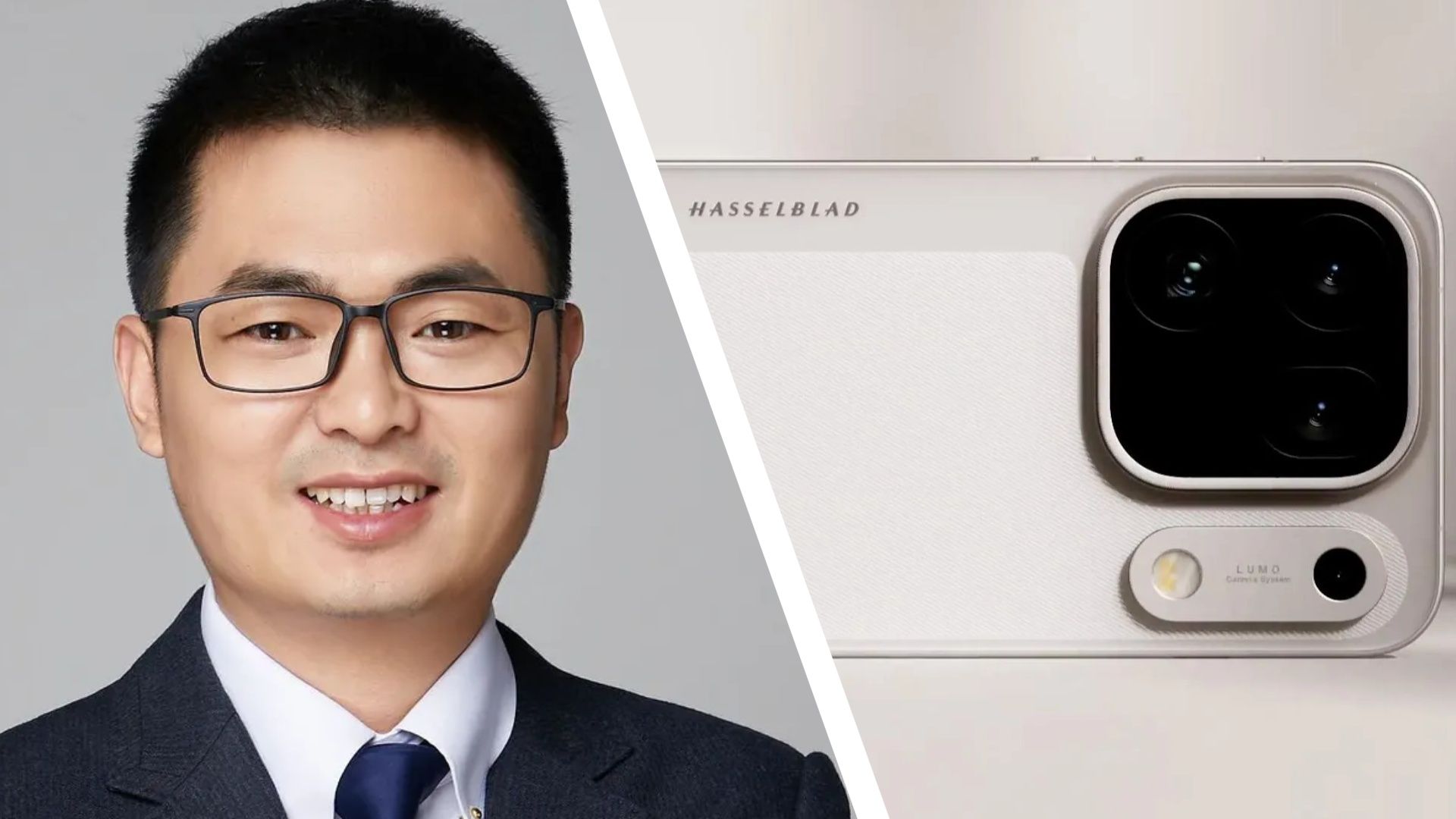
“The European premium market is dominated by two brands,” Elvis Zhou, CEO of Oppo Europe, explained to TechRadar in a recent roundtable interview. “I believe local European consumers would be interested in a third, good option.”
Zhou didn’t mention Apple and Samsung by name in our discussion, but those two companies were the only two smartphone manufacturers to grow their respective market shares during that aforementioned Q3 period (though they, too, suffered year-on-year sales declines).

“We are not here to say we will replace one of these established brands. No. We are here to offer a differentiated third option […] I believe, in the future, the competition between flagship products [will not be] about price; we are not here to sell a more affordable smartphone. We are here to offer a differentiated experience for the premium market.
“And we heard the same [sentiment] through our market research — most premium users would be happy to try a third premium brand.”
The European market is not as wedded to Apple and Samsung as, say, the US market, but these companies still account for 68% of the entire European smartphone market (34% each). By contrast, different sources put Oppo’s share of the European pie at between 1 and 4%.
That’s a sizable mountain to climb for any brand — but Zhou and Oppo have identified three emerging trends that could turn the tide in the Chinese company’s favor.
“I’m quite aware that these two established brands in the European market do still lead the market in terms of brand awareness, sales channels, and even retail channels; they still do have a lot of advantages,” Zhou explained. “But through our market research, we have identified three trends that might be beneficial to us.
The kids are alright
“First of all, young consumers here in Europe are ready to buy smartphones online. That offers us an opportunity to engage them directly.
“The second trend is that the young generation is dubious about advertisements. They prefer to believe real user experiences that they see [relayed] on social media platforms. And if they believe [those testimonies], then it must be good experiences that people are sharing organically on social media — that’s more convincing, and only good products can do that.
We are not here to say we will replace one of these established brands.
Elvis Zhou, CEO, Oppo Europe
“The third trend is that younger consumers ask questions to AI tools during their decision-making process. These AI tools can help our brand because they focus more on the features of these products — on the user experience of these products — without other interference. And according to our market survey, more than 40% of young people ask questions to AI tools when they want to purchase a new phone. Based on these three new trends, I believe that the value of our products is better respected nowadays.”
That last point is a particularly interesting one. Chatbots like ChatGPT have quickly become a primary search engine for millions of young people globally; if these consumers ask an AI platform for information on the best phone to buy, Oppo’s handsets are likely to be surfaced on a numerical specs basis alone (the Oppo Find X9 Ultra, for instance, has better camera specs than the iPhone 18 Pro and Samsung Galaxy S26 Ultra).
Oppo doesn’t enjoy the same visibility via traditional Google searches, as I proved by searching for the “best phone for photography” on ChatGPT and Google. The former displays Oppo Find X9 Ultra as the number one choice; the latter doesn’t reference Oppo at all until you manually click through to a dedicated best camera phones guide.


Of course, young consumers aren’t so naive as to instantly buy the first product recommended by ChatGPT, but Oppo’s increased visibility on the platform can only be a good thing for its brand awareness and, ultimately, sales.
The perception challenge

In our roundtable interview, Zhou was also asked whether Oppo and other Chinese companies face a perception problem in the West, particularly surrounding privacy, and the CEO was keen to credit consumers’ ability to decide for themselves which brands they trust.
“We face all kinds of challenges in our work, but for Oppo, since we are here in an overseas market, our focus is more on market surveys. I’ve met a lot of young consumers here in Europe, and I find that they are quite open-minded. They’re well educated, reasonable, and rational. They are independent in their decision-making process.
“These young consumers, when they purchase their personal items, focus more on the product itself. Is this experience good enough? Is it good value for money? And through our market surveys, we found that young consumers are more interested in good imaging [capabilities], AI [features], and also battery autonomy.
“In addition,” Zhou continued, “the European market pays great attention to data privacy, so we pay great attention to our compliance policy. We want to make sure that when we design our products, we can meet all these compliance regulation demands. We are very confident that our products can stand the test of time, and one day, our local European consumers will understand that our products can not only meet their requirements, but exceed their demands.”
Oppo, then, is putting all its eggs in the premium basket for the foreseeable future — and its next pair of flagship phones, the camera-focused Oppo Find X10 and X10 Pro Max, will be the first test of the company’s new premiumization strategy.
We’re expecting both devices to be more expensive than their predecessors, but if, as Oppo suggests, young European consumers really do value imaging, AI, and battery life above all else, the Find X10 series has every chance of making a splash on the continent.